
Wooden doors are a cornerstone of both interior and exterior design in residential and commercial construction. As a contractor, recommending the right wooden door isn’t just about looks—it’s also about durability, function, and overall design harmony. The door types you suggest can significantly enhance or detract from a project’s perceived value.
Whether it’s a solid oak entry or a sleek WPC interior panel, each door type brings unique advantages. Let’s break down these options to help you offer the best solutions to your clients.

1. Solid Wood Doors
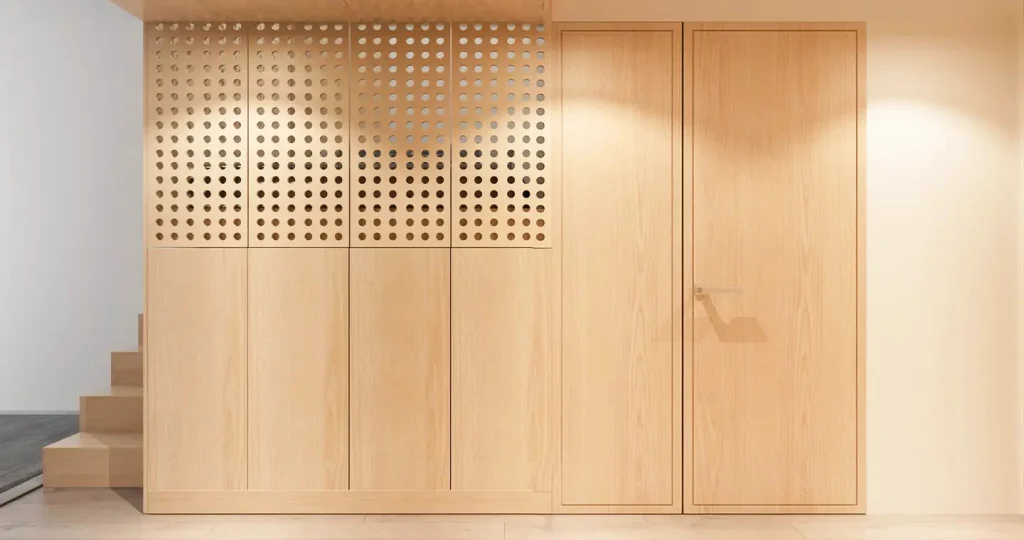
Solid wood doors are crafted entirely from natural wood, making them one of the most durable and high-quality options available. They are often made from hardwoods such as oak, mahogany, cherry, or walnut.
Advantages:
- Exceptional durability and longevity.
- Superior insulation for soundproofing and temperature control.
- Timeless aesthetics with rich textures and grain patterns.
Applications:
Solid wood doors are ideal for exterior entrances due to their strength and ability to withstand weather conditions. They’re also a great choice for interior spaces where premium quality is desired.
Considerations:
Compared to other options, solid wood doors can be heavy and expensive. They require periodic maintenance to prevent warping or cracking caused by humidity changes.
2. Engineered Wood Doors

Engineered wood doors are constructed using layers of wood veneer bonded together with adhesives. These doors provide the look of natural wood while offering enhanced stability and resistance to warping.
Advantages:
- Cost-effective alternative to solid wood.
- Eco-friendly, as they utilize less natural wood.
- Resistant to humidity and temperature fluctuations.
Applications:
Engineered wood doors are widely used for interior applications such as bedrooms, bathrooms, and closets. They’re a practical choice for contractors working on budget-conscious projects without compromising aesthetics.
Considerations:
While engineered wood doors are durable, they may lack the premium feel of solid wood doors for high-end projects.
3. Flush Doors

Flush doors are characterized by their smooth surfaces and minimalist design. They consist of a solid core covered with plywood or MDF (Medium Density Fiberboard) veneer, making them lightweight yet sturdy.
Advantages:
- Its contemporary design is complemented by its sleek, modern appearance.
- Their lightweight construction makes them easy to install.
- Affordable price point compared to other wooden door types.
Applications:
Flush doors are commonly used in residential interiors where simplicity and functionality are key priorities. They’re ideal for spaces like kitchens, bathrooms, and utility rooms.
Considerations:
Flush doors may not have the intricate detailing or texture that some clients prefer in traditional designs.
4. Panel Doors

Panel doors are among the most classic choices, characterized by a frame composed of solid or engineered wood panels. The panels can be flat or raised, offering versatility in design styles.
Advantages:
- Classic appeal suitable for traditional and transitional interiors.
- Customizable with various panel configurations, finishes, and hardware options.
- Durable construction that can withstand heavy use.
Applications:
Their versatility makes them a favorite among contractors working on diverse projects, as they can be used both inside and outside.
Considerations:
Panel doors may require more intricate installation compared to flush or engineered wood doors due to their detailed construction.
5. Barn Doors

In recent years, barn doors have gained popularity due to their rustic charm and space-saving functionality. These sliding wooden doors are mounted on tracks, making them an excellent choice for areas with limited space.
Advantages:
- Unique aesthetic that adds character to any room.
- Its space-saving design eliminates the need for swing clearance.
- Available in various finishes, from distressed wood to modern lacquered styles.
Applications:
Barn doors work well in open-concept spaces, closets, or as decorative room dividers in both residential and commercial projects.
Considerations:
Barn doors may not provide as much sound insulation or privacy as hinged wooden doors due to their sliding mechanism.
6. WPC (Wood Plastic Composite) Doors

WPC doors are made by combining wood fibers with plastic polymers, creating an eco-friendly, durable alternative to traditional wooden doors. They offer the appearance of wood while being resistant to moisture, termites, and other environmental factors.
Advantages:
- Highly resistant to water damage, making them ideal for bathrooms and kitchens.
- Eco-friendly construction using recycled materials.
- Low maintenance compared to natural wood options.
Applications:
WPC doors are a practical choice for areas prone to moisture exposure or environments requiring long-lasting durability without compromising style.
Considerations:
While WPC doors mimic the look of wood, they may lack the authentic texture that some clients desire in high-end projects.
Choosing the Right Wooden Door Based on Area
| Location | Recommended Door Type |
|---|---|
| Exterior Entry | Solid Wood / WPC |
| Bathroom | WPC or Laminated |
| Bedroom | Engineered / Panel Door |
| Kitchen | Flush or Laminated |
| Living Room Entrance | French / Carved Door |
Key Considerations to Choose the Right Wooden Door

The selection of the appropriate wooden door is influenced by several factors, including:
- Design Style: Match the door type to the architectural style of the property—traditional panel doors for classic homes or sleek flush doors for modern interiors.
- Functionality: Consider factors such as sound insulation, moisture resistance, and durability based on where the door will be installed (e.g., exterior vs interior).
- Space Constraints: Opt for barn doors or sliding WPC doors in areas with limited space while maintaining aesthetic appeal.
Conclusion
Wooden doors are more than just functional elements; they’re design statements that enhance the beauty and value of any property, by understanding the unique features of different types of wooden doors: solid wood, engineered wood, flush doors, panel doors, barn doors, and WPC. You can confidently recommend options that align with your clients’ needs.
Whether you’re aiming for timeless elegance or modern simplicity, wooden doors provide endless possibilities to elevate your projects. By integrating these insights into your projects as a contractor, you’ll not only deliver exceptional results but also establish yourself as a trusted expert in home aesthetics and functionality.
Ready to explore premium wooden door solutions? Download OPPEIN Canada’s latest catalog today for more product information and inspiration! Let us help you bring your vision to life with our comprehensive range of high-quality home solutions.
FAQs on Wooden Doors
WPC doors are ideal as they resist water and don’t swell.
Yes, especially for main entrances due to their strength and luxury appeal.
With proper care, they offer excellent durability and aesthetic value.
Typically, every 2–3 years, depending on exposure and usage.
Yes, especially in kitchens and bathrooms due to easy maintenance.
OPPEIN Canada offers a wide range of wooden and WPC door solutions for every budget. Contact us to get a free quote today!